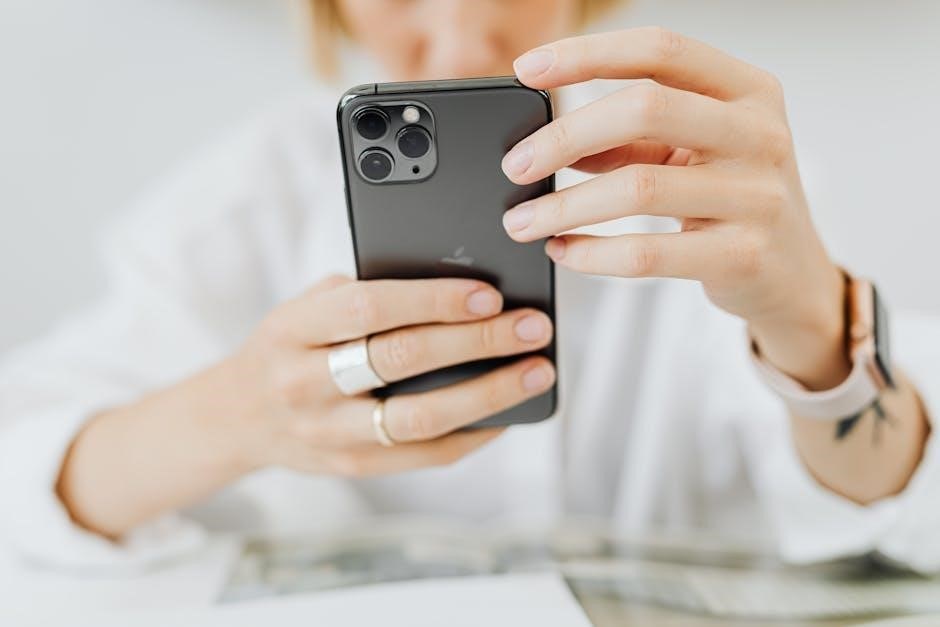
Smart watches are evolving rapidly‚ offering features beyond timekeeping – from fitness tracking to smartphone connectivity.
Recent discussions highlight user experiences with charging‚ software updates‚ and even specific model issues like gear shifting problems.
Owners are actively seeking information on features‚ troubleshooting‚ and community events like “Show your Smart!” gatherings‚ demonstrating growing interest.
What is a Smart Watch?
Smart watches represent a significant evolution in wearable technology‚ extending far beyond the traditional function of simply telling time. These devices are essentially wrist-worn computers‚ offering a diverse range of functionalities mirroring and often integrating with your smartphone.
Recent online discussions reveal users grappling with various aspects of smart watch ownership‚ from initial setup and charging – particularly with electric vehicle-related models like the Smart EQ – to diagnosing mechanical issues like problematic gear shifting. The community actively shares experiences and seeks solutions.
Beyond basic timekeeping‚ smart watches provide fitness tracking‚ notification alerts‚ and even mobile payment capabilities. They’re becoming increasingly sophisticated‚ with features like GPS and voice assistant integration. The growing popularity is evidenced by events like “Show your Smart!”‚ fostering a community around these innovative devices.

Benefits of Using a Smart Watch
Smart watches offer a compelling suite of benefits‚ streamlining daily life and enhancing personal well-being. A primary advantage is convenient access to notifications – calls‚ texts‚ and emails – directly on your wrist‚ reducing reliance on constantly checking your phone.
Online forums demonstrate users appreciating the convenience‚ alongside seeking solutions for technical hiccups like display issues or actuator problems in older models. Fitness tracking‚ including steps‚ heart rate‚ and sleep monitoring‚ promotes a healthier lifestyle.
Furthermore‚ features like mobile payments (NFC) and GPS add layers of practicality. The active online community‚ organizing events like “Show your Smart!”‚ highlights the social aspect and shared enthusiasm for these devices‚ proving their value extends beyond individual utility.

Setting Up Your Smart Watch
Initial setup involves charging‚ powering on‚ and pairing with your smartphone – iOS or Android – for full functionality.
Users discuss charging methods and encountering issues with older models‚ emphasizing the importance of a stable connection.
Initial Charging and Powering On
Before first use‚ fully charge your smart watch. Connect the provided charging cable to a USB power source and the watch’s charging port. A charging indicator will appear on the screen‚ showing the battery level. Charging times vary by model‚ but typically take around two hours for a complete charge.
Once charged‚ press and hold the power button – usually located on the side of the watch – until the screen illuminates. The watch will then display the manufacturer’s logo and begin the boot-up process. Some models may require a brief initial setup sequence on the watch itself‚ such as selecting your preferred language. Online forums reveal users sometimes face issues with charging older Smart models‚ highlighting the need for a reliable power source and cable.
Ensure a secure connection during charging to avoid interruptions.
Pairing with Your Smartphone (iOS & Android)
To connect your smart watch to your smartphone‚ first download and install the watch’s companion app from the App Store (iOS) or Google Play Store (Android). Ensure Bluetooth is enabled on your smartphone. Open the app and follow the on-screen instructions to create an account or log in.
The app will search for nearby smart watches. Select your watch from the list. A pairing code may appear on both devices; confirm that the codes match. Grant the app necessary permissions‚ such as access to contacts‚ notifications‚ and location. Recent user discussions mention potential connectivity issues‚ so ensure both devices are within range and avoid interference.
Successful pairing enables features like notifications and data synchronization.

Navigating the User Interface
Your smart watch’s interface typically combines touchscreen gestures and physical buttons. Swiping left or right often cycles through widgets displaying information like activity stats‚ weather‚ or notifications. Swiping down usually reveals quick settings for brightness‚ Do Not Disturb‚ and Bluetooth. A side button often acts as a home button or opens a list of apps.
Long-pressing the watch face allows you to customize it. Users have reported display issues‚ so ensure the screen is clean and responsive. Explore the settings menu to adjust preferences like font size and notification behavior. Familiarize yourself with the available app launcher – often accessed by pressing the crown or a designated button.

Key Features and Functionality
Smart watches excel at fitness tracking‚ notifications‚ and increasingly‚ mobile payments. Recent user discussions focus on troubleshooting connectivity and optimizing battery life.
Fitness Tracking (Steps‚ Heart Rate‚ Sleep)
Smart watches are powerful fitness companions‚ meticulously tracking your daily activity levels. They accurately count steps taken‚ providing motivation to reach personal goals and maintain an active lifestyle. Beyond steps‚ these devices continuously monitor your heart rate‚ offering valuable insights into your cardiovascular health during workouts and rest.
A crucial feature is sleep tracking‚ analyzing sleep stages (light‚ deep‚ REM) to help you understand and improve your sleep quality. Users are discussing various models and their accuracy‚ highlighting the importance of consistent wear for reliable data. This data‚ combined with activity and heart rate information‚ provides a holistic view of your overall well-being‚ empowering you to make informed decisions about your health.
Notifications and Communication (Calls‚ Texts‚ Emails)
Smart watches excel at keeping you connected without constantly reaching for your smartphone. They seamlessly deliver notifications for calls‚ texts‚ and emails directly to your wrist‚ allowing for quick glances at important information. Many models allow you to answer or reject calls directly from the watch‚ enhancing convenience.
Recent online discussions emphasize the value of staying informed‚ even while on the go. While some users report occasional connectivity issues‚ the core functionality remains a significant benefit. The ability to preview messages and emails is particularly useful‚ filtering out unnecessary distractions. This feature‚ combined with customizable notification settings‚ ensures you stay connected to what matters most.
Mobile Payments (NFC & Contactless)
Smart watches equipped with NFC (Near Field Communication) technology offer a convenient and secure way to make contactless payments. This feature allows you to leave your wallet at home and pay for purchases directly from your wrist‚ streamlining your shopping experience. Setting up mobile payments typically involves linking your credit or debit card to a digital wallet on your watch.
Online forums reveal user satisfaction with this functionality‚ though occasional issues with transaction processing are reported. Ensuring your watch and payment provider support NFC is crucial. Security is paramount; most systems utilize tokenization and require authentication‚ like a PIN‚ for each transaction‚ protecting your financial information. This feature is becoming increasingly popular‚ offering a modern and efficient payment method.
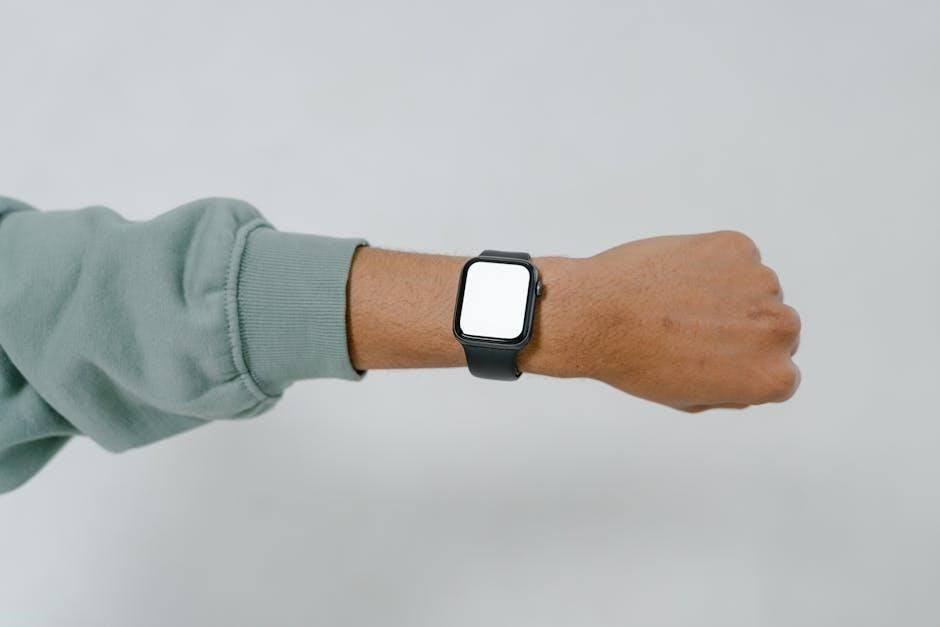
Customization and Apps
Personalize your smart watch with unique watch faces and expand functionality through downloadable apps‚ tailoring the device to your lifestyle and preferences.
Changing Watch Faces
Personalizing your smart watch begins with selecting a watch face that reflects your style. Most smart watches offer a diverse library of pre-installed faces‚ accessible directly from the watch or companion smartphone app.
To change the face‚ typically long-press on the current display‚ or navigate to the watch’s settings menu – often found by swiping down or pressing a dedicated button.
Within the settings‚ you’ll find options to browse available faces‚ preview them‚ and apply your chosen design.
Many platforms also support downloading additional faces from online stores or creating custom faces using provided tools. Experiment with different styles – analog‚ digital‚ informative‚ or minimalist – to find the perfect look. Remember to consider readability and the information displayed on the face.
Installing and Managing Apps
Expanding your smart watch’s functionality is easily achieved through apps. Access the app store on your watch (if available) or‚ more commonly‚ through the companion smartphone app.
Browse categories like fitness‚ productivity‚ communication‚ or entertainment to discover new apps. Before installing‚ review app permissions and user ratings.
Installation is usually a simple tap-and-confirm process. To manage installed apps‚ navigate to the ‘Apps’ or ‘Installed Apps’ section within the smartphone app.
From here‚ you can update apps‚ uninstall them‚ or adjust their settings. Regularly updating apps ensures optimal performance and security. Be mindful of battery consumption‚ as some apps may drain power more quickly than others.

Troubleshooting Common Issues
Common problems include connectivity glitches‚ short battery life‚ and display malfunctions – mirroring reported Smart car issues with shifting or indicators.
Users frequently discuss actuator problems and blinking lights‚ suggesting a need for systematic troubleshooting steps.
Connectivity Problems (Bluetooth‚ Wi-Fi)
Experiencing connection drops? This is a frequent issue. First‚ ensure Bluetooth is enabled on both your smartwatch and smartphone. Restarting both devices often resolves temporary glitches‚ similar to resetting a Smart car’s system.
If problems persist‚ “forget” the smartwatch in your phone’s Bluetooth settings and re-pair it. Check for smartwatch software updates; outdated software can cause compatibility issues. For Wi-Fi connectivity‚ verify your network password and ensure the smartwatch is within range of a strong signal.
Interference from other devices can also disrupt connections. Move away from potential sources of interference. Finally‚ consult your smartwatch’s manual or the manufacturer’s website for specific troubleshooting steps related to your model‚ as issues can vary.
Battery Life Optimization
Maximize your smartwatch’s battery life with a few simple adjustments. Reduce screen brightness and shorten the screen timeout duration. Disable unnecessary notifications; each alert consumes power; Limit the use of power-intensive features like GPS and always-on display.
Background app refresh can also drain the battery quickly. Restrict background activity for apps you don’t frequently use. Similar to managing a Smart EQ’s charge‚ consistent‚ partial charging is often better than full discharge cycles.
Check your smartwatch’s battery usage statistics to identify power-hungry apps. Finally‚ ensure your smartwatch’s software is up-to-date‚ as updates often include battery optimization improvements.
Display and Touchscreen Issues
Troubleshooting display problems starts with a simple restart. If the screen is frozen or unresponsive‚ try a forced reboot – consult your smartwatch’s manual for specific instructions. Check for software updates‚ as these often address display glitches.
Similar to reported issues with Smart 451 gear indicators‚ a blinking display might signal an error. Ensure the screen is clean and free of debris‚ as this can interfere with touchscreen functionality.
If the touchscreen remains unresponsive after cleaning‚ consider a factory reset (back up your data first!). For persistent issues‚ contact the manufacturer’s support‚ as hardware problems may require professional repair.

Advanced Features & Settings
Explore GPS for accurate location tracking during workouts and voice assistant integration for hands-free control‚ enhancing your smartwatch experience.
Users discuss vehicle-related GPS and error indicators‚ mirroring the potential for complex settings within smartwatches.
GPS and Location Services
Utilizing GPS on your smartwatch unlocks a wealth of location-based features‚ significantly enhancing its functionality. This allows for precise tracking of outdoor activities like running‚ cycling‚ and hiking‚ providing detailed metrics on distance‚ pace‚ and route taken.
To activate GPS‚ navigate to the settings menu on your watch and ensure location services are enabled. You may have options to choose between different GPS modes – high accuracy for detailed tracking‚ or power-saving modes for extended battery life.
Remember that GPS functionality can impact battery consumption‚ so adjust settings based on your needs. Some smartwatches also support assisted GPS (A-GPS)‚ which uses cellular or Wi-Fi data to speed up initial GPS lock. Discussions regarding vehicle GPS systems highlight the importance of reliable location data‚ a principle equally applicable to smartwatches.
Voice Assistant Integration
Smartwatches often integrate seamlessly with voice assistants like Siri‚ Google Assistant‚ or Alexa‚ offering hands-free control and convenience. This allows you to perform tasks such as setting reminders‚ sending messages‚ making calls‚ and controlling smart home devices‚ all with simple voice commands.
To set up voice assistant integration‚ typically you’ll need to link your smartwatch to your smartphone and the corresponding voice assistant app. Ensure the assistant is enabled within the watch’s settings.
Recent online discussions emphasize the importance of reliable connectivity for optimal performance‚ mirroring the need for stable connections when troubleshooting vehicle systems. Experiment with different voice commands to discover the full range of capabilities and personalize your experience.

Maintenance and Care
Regular cleaning with a soft cloth and keeping software updated are crucial for longevity. Like a well-maintained Smart car‚ consistent care ensures optimal function.
Cleaning and Storage
Maintaining your smart watch’s pristine condition requires gentle care. Regularly wipe the watch face and band with a soft‚ lint-free cloth. Avoid abrasive cleaners‚ as they can damage the screen or finish. For stubborn marks‚ slightly dampen the cloth with distilled water – never submerge the watch in water unless it’s specifically rated for swimming.
Proper storage is also key. When not in use‚ store your smart watch in a cool‚ dry place‚ away from direct sunlight and extreme temperatures. A protective case can prevent scratches and accidental damage. Consider the longevity of the battery; storing it fully charged for extended periods can degrade its capacity‚ mirroring concerns about Smart car battery health. Avoid storing near magnetic fields.
Software Updates and Security
Regular software updates are crucial for maintaining your smart watch’s performance and security. These updates often include bug fixes‚ new features‚ and vital security patches that protect your personal data. Ensure your watch is connected to a trusted Wi-Fi network and has sufficient battery life before initiating an update.
Security is paramount; Enable a strong passcode or biometric authentication to prevent unauthorized access. Be cautious when installing apps from third-party sources‚ as they may pose security risks – similar to concerns about potential issues within Smart car systems. Regularly review app permissions and disable any unnecessary access to your data. Keep your paired smartphone’s operating system updated as well‚ for comprehensive protection.