Home Touch steamers offer a convenient way to remove wrinkles from garments, utilizing steam technology for effective and efficient clothing care.
These models, like the PS-200, PS-250, PS-300, and PS-350, provide a professional steaming experience within the comfort of your home or commercial space.

Understanding your specific model’s features and following the user guide ensures optimal performance and longevity of your Home Touch steamer.
What is a Home Touch Steamer?
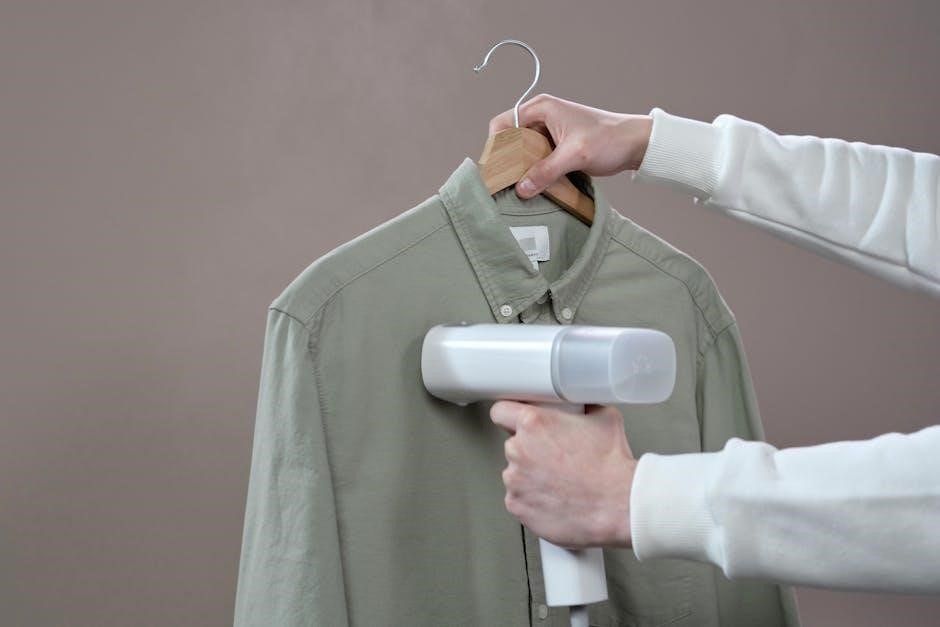
A Home Touch steamer is a portable appliance designed to remove wrinkles from clothing, linens, and other fabrics using pressurized steam. Unlike traditional irons, steamers don’t require direct contact with the fabric, making them suitable for delicate materials like silk and lace.
Home Touch offers various models – PS-200, PS-250/251, PS-300, and PS-350 – catering to both home and commercial use. These steamers typically consist of a water tank, heating element, and a nozzle to deliver the steam. They often include features like telescoping poles for hanging garments and various attachments for different fabrics and applications.
Essentially, a Home Touch steamer provides a quick, easy, and gentle way to refresh and de-wrinkle your clothes, offering a convenient alternative to ironing and dry cleaning.
Benefits of Using a Home Touch Steamer
Home Touch steamers offer numerous advantages over traditional ironing. They are gentler on fabrics, reducing the risk of scorching or shine, and are excellent for delicate materials like silk and suits. Steamers are faster than ironing, quickly removing wrinkles without the need for an ironing board.
Portability is a key benefit; Home Touch models are easy to set up and store, making them ideal for travel or small living spaces. They can also sanitize fabrics, eliminating odors and killing bacteria. The PS-250 and PS-350 models are even designed for commercial use, demonstrating their durability and efficiency.
Ultimately, a Home Touch steamer provides a convenient, effective, and versatile solution for garment care, saving you time and effort.

Understanding Your Home Touch Steamer Model
Home Touch offers various steamer models – PS-200, PS-250/251, PS-300, and PS-350 – each with unique features and specifications for diverse steaming needs.
Home Touch PS-200: Features and Specifications
The Home Touch PS-200 Perfect Steam Commercial Garment Steamer is designed for efficient wrinkle removal. Key features include a ready indicator light, signaling when the steamer is heated and ready for use.
It boasts a telescoping garment hanger for convenient hanging of clothes during steaming, and the nozzle can be hung on or coiled around it for easy storage between uses. This model is ideal for both home and light commercial applications.
Specifications generally include: a water tank capacity suitable for multiple garments, a steaming time of approximately 60-90 minutes per tank, and a power rating appropriate for standard outlets. It’s built for reliable performance and ease of operation, making garment care simpler.
Home Touch PS-250/PS-251: Features and Specifications
The Home Touch PS-250 and PS-251 Perfect Steam models are robust garment steamers suited for frequent use. These steamers share many features, offering efficient wrinkle removal for a variety of fabrics.
Key features include a powerful steaming output, a large water tank for extended steaming sessions, and a telescoping pole with a garment hanger. The PS-251 specifically emphasizes checking fabric labels and testing colorfastness before steaming, ensuring garment safety.
Specifications typically include: a water capacity around 80oz, a heating time of approximately 2-3 minutes, and a continuous steam output. These models are designed for both home and commercial environments, providing professional results.
Home Touch PS-300: Features and Specifications
The Home Touch PS-300 Perfect Steam PRO is a commercial-grade garment steamer designed for professional use and demanding steaming needs. It boasts enhanced features compared to previous models, delivering superior performance and durability.
Key specifications include a larger water tank capacity, enabling longer, uninterrupted steaming sessions. The PS-300 also features a more powerful heating element for quicker heat-up times and consistent steam output. Its robust construction ensures reliability in high-volume environments.
This model is optimized for efficiency, offering a streamlined design and user-friendly controls. Downloadable instruction manuals provide detailed guidance for optimal operation and maintenance, ensuring a long lifespan.
Home Touch PS-350: Features and Specifications
The Home Touch PS-350 Perfect Steam Professional garment steamer represents the pinnacle of Home Touch’s commercial line. Designed for intensive, professional use, it delivers exceptional steaming power and reliability.
Key features include a high-output steam head, ensuring rapid wrinkle removal from all fabric types. The PS-350 incorporates advanced safety features, minimizing risks during operation, as detailed in the included user manual. It also features a durable, heavy-duty construction for extended lifespan.
This model includes a one-year limited warranty, providing peace of mind. Detailed instruction manuals are available, covering safety precautions and proper handling to maximize performance.
Setting Up Your Home Touch Steamer
Proper setup is crucial for safe and effective operation. This involves carefully filling the water tank, correctly assembling all components, and powering on the device.
Always consult your model’s user guide for specific instructions.
Filling the Water Tank
Before each use, ensure the steamer is unplugged and has cooled completely. Locate the water tank, typically at the base or rear of the unit. Carefully remove the tank, following the instructions in your Home Touch steamer’s user guide.
Fill the tank with clean, distilled or demineralized water to the indicated “max” fill line. Do not overfill, as this can cause leakage during operation. Avoid using tap water, as mineral buildup can damage the steamer over time.
Securely reattach the water tank, ensuring it’s properly sealed to prevent leaks. A properly seated tank is essential for safe and efficient steaming. Refer to your model’s diagram for correct placement.
Assembling the Steamer Components
Prior to use, verify all components are present and undamaged. Attach the telescoping pole to the steamer base, ensuring it clicks securely into place. Extend the pole to your desired height for comfortable steaming.
Next, connect the steam head to the top of the pole. Some models feature a rotating steam head; ensure it’s properly aligned before attaching. Hang garments using the provided hanger or a suitable alternative, utilizing the garment hanger built into some Home Touch models.
Finally, confirm all connections are firm and stable before powering on the steamer. A secure assembly prevents accidents and ensures optimal steam distribution.
Powering On and Initial Setup
Before first use, ensure the water tank is filled (refer to the ‘Filling the Water Tank’ section). Plug the steamer into a grounded electrical outlet. The ready indicator light will illuminate, signaling the unit is receiving power.
Allow approximately 60-90 seconds for the steamer to heat up and generate steam. The ready indicator light will typically change color or turn off when the unit reaches operating temperature.
Some Home Touch models feature an automatic shut-off function for safety; familiarize yourself with this feature. Begin with a test spray on an inconspicuous area of fabric to confirm proper steam output.

How to Use Your Home Touch Steamer
Effectively utilize your Home Touch steamer by preparing garments, selecting appropriate steaming techniques for various fabrics, and always testing for colorfastness first.
Preparing Garments for Steaming
Before steaming with your Home Touch steamer, carefully check the garment’s care label for specific instructions and fabric content. This is crucial to avoid damage.
Empty all pockets and remove any embellishments or accessories that could melt or be affected by the steam. Fasten zippers, buttons, and hooks to maintain the garment’s shape during the process.
Hang the garment on a sturdy hanger, ensuring it’s freely suspended to allow steam to penetrate the fabric effectively. For delicate fabrics, consider placing a pressing cloth between the steamer nozzle and the garment to prevent direct contact and potential shine.
Always test for colorfastness in an inconspicuous area before steaming the entire item, as some dyes may be sensitive to heat and moisture.
Steaming Techniques for Different Fabrics
For delicate fabrics like silk or rayon, use a lower steam setting and maintain a greater distance between the nozzle and the garment. Consider steaming from the underside to minimize shine.
Cotton and linen, being more durable, can withstand higher steam settings and closer proximity. Use smooth, sweeping motions to release wrinkles effectively.
Polyester and synthetic blends generally steam well with medium heat; however, always test a hidden area first. Avoid prolonged exposure to high heat, which can cause melting or distortion.
Heavier fabrics, such as denim or wool, may require repeated steaming passes. Utilize the garment hanger feature for optimal reach and wrinkle removal.
Testing for Colorfastness
Before steaming any garment, it’s crucial to test for colorfastness, especially with brightly colored or delicate fabrics. Locate an inconspicuous area – an inside seam or hem – to perform the test.
Apply a small burst of steam to the chosen area and observe for any color transfer onto a white cloth. Gently blot the steamed area with the cloth to check.
If color transfer occurs, proceed with extreme caution, using a lower steam setting and greater distance. Alternatively, consider dry cleaning the garment.
Always refer to the garment’s care label for specific instructions. Testing ensures you won’t damage or discolor your clothing during the steaming process.
Safety Precautions
Always prioritize safety when using your Home Touch steamer; avoid burns, electric shock, and injury by following all provided instructions carefully.
Proper handling and adherence to electrical guidelines are essential for safe operation;
Avoiding Burns and Scalds
Steam emitted from your Home Touch steamer is extremely hot and can cause severe burns. Never direct the steam towards yourself, others, or pets.
Maintain a safe distance while steaming garments, and always allow the steamer to cool down completely before handling or storing it.
Be cautious of hot surfaces on the steamer itself, including the nozzle and steam head. Use the provided gloves or a protective cloth when handling these components.
Avoid touching the water tank while the steamer is in use, as it will be hot. Ensure the steamer is placed on a stable, heat-resistant surface during operation to prevent accidental tipping and potential scalding.
Always check fabric labels before steaming.
Electrical Safety Guidelines
Always ensure your Home Touch steamer is plugged into a properly grounded electrical outlet. Never operate the steamer with a damaged cord or plug – replace immediately.
Do not use an extension cord unless absolutely necessary, and if so, ensure it’s rated for the steamer’s wattage. Avoid operating the steamer in wet or damp environments to prevent electric shock.
Before unplugging, always turn the steamer off and allow it to cool completely. Never immerse the steamer, cord, or plug in water or any other liquid.
Keep the cord away from heated surfaces and sharp edges. If the steamer malfunctions or exhibits any electrical issues, discontinue use and contact customer support for assistance.
Regularly inspect the cord for damage.
Proper Steamer Handling
Always allow the Home Touch steamer to cool down completely before storing or transporting it. When moving a hot steamer, use the handle and avoid touching any hot surfaces.
Direct the steam away from yourself and others during operation. Avoid overfilling the water tank, as this can cause leakage and potential burns.
Never leave the steamer unattended while it’s turned on or still hot. Use caution when handling hot water – it can cause severe scalds.
Ensure the steamer is placed on a stable, heat-resistant surface during use. Do not attempt to disassemble or repair the steamer yourself; contact qualified service personnel for assistance.
Hang garments securely while steaming.
Maintenance and Cleaning
Regular descaling is crucial for maintaining optimal performance of your Home Touch steamer, preventing mineral buildup and ensuring consistent steam output.
Clean the nozzle and accessories after each use to remove residue and prolong the steamer’s lifespan.
Descaling the Steamer
Over time, mineral deposits from water can accumulate inside your Home Touch steamer, reducing steam output and potentially damaging the unit. Descaling removes these deposits, ensuring optimal performance.
To descale, mix equal parts white vinegar and distilled water in the water tank. Power on the steamer and allow it to steam for approximately five to ten minutes, directing the steam into a sink or bucket.
After steaming, turn off the steamer and let it cool completely. Fill the tank with fresh distilled water and steam again until the vinegar scent is gone. Repeat if necessary. Regular descaling, ideally every 20-40 uses, will significantly extend the life of your steamer and maintain its effectiveness.
Always refer to your specific model’s manual for detailed descaling instructions.
Cleaning the Nozzle and Accessories
Regular cleaning of the nozzle and accessories is crucial for maintaining hygiene and preventing blockages in your Home Touch steamer. After each use, ensure the steamer is unplugged and completely cool.
To clean the nozzle, wipe it down with a damp cloth to remove any residue. For stubborn buildup, use a mild detergent solution. The telescoping garment hanger can be wiped clean with a similar solution.
Accessories, such as fabric brushes, should be cleaned separately with a damp cloth and mild soap. Avoid immersing the steamer body or electrical components in water. Proper cleaning ensures consistent steam flow and prevents damage to your garments.
Always check your model’s manual for specific cleaning recommendations.
Storing Your Home Touch Steamer
Proper storage extends the life of your Home Touch steamer and ensures it’s ready for its next use. Always allow the steamer to cool completely and empty the water tank before storing.
Coil the steam hose neatly and hang the nozzle on the telescoping garment hanger, if applicable, as suggested in some models. Store the steamer in a cool, dry place, away from direct sunlight and extreme temperatures.
Avoid storing the steamer where it could be accidentally damaged or exposed to moisture. Keep the original packaging for safe storage when not in use. Regular checks during storage can prevent issues.
Ensure the power cord is neatly stored to prevent tangling or damage.
Troubleshooting Common Issues
If your Home Touch steamer isn’t heating, is leaking, or has weak steam output, consult the user guide for solutions and safety checks.
Addressing these issues promptly ensures continued optimal performance and prevents potential damage to the unit.
Steamer Not Heating Up
If your Home Touch steamer fails to heat, first ensure it’s properly plugged into a functioning electrical outlet. Check the power cord for any visible damage, and if found, discontinue use immediately;
Verify the water tank is filled to the appropriate level, as many models have a low-water sensor that prevents operation when empty. Confirm the steamer is switched ‘on’ and the ready indicator light isn’t illuminated, suggesting it’s not reaching temperature.
Some models feature an automatic shut-off; ensure this hasn’t been triggered. If the issue persists, descaling the steamer might be necessary, as mineral buildup can impede heating. Refer to the ‘Maintenance and Cleaning’ section for descaling instructions. If problems continue, contact customer support.
Water Leaking from the Steamer
If you notice water leaking from your Home Touch steamer, immediately unplug it to prevent electrical hazards. Check the water tank for cracks or improper sealing; ensure it’s correctly inserted and securely fastened.
Overfilling the water tank is a common cause of leaks, so avoid exceeding the maximum fill line. Inspect the steam nozzle and hose connections for any looseness or damage. A clogged nozzle can also cause pressure buildup and subsequent leaks – try descaling the unit.
Ensure the steamer is positioned on a stable, level surface during operation. If leakage continues after these checks, discontinue use and contact customer support for assistance, referencing your model number.
Steam Output is Weak
Reduced steam output on your Home Touch steamer often indicates mineral buildup within the system. Descaling the unit regularly, as outlined in the maintenance section, is crucial for optimal performance. Ensure the water tank is adequately filled with clean water – insufficient water will limit steam production.
Check for kinks or blockages in the steam hose, hindering steam flow. Verify the nozzle isn’t clogged; gently clean it with a damp cloth. Some fabrics require more steaming passes than others, so adjust your technique accordingly.
If the issue persists, ensure the steamer has fully heated up before use. Contact customer support if descaling and inspection don’t resolve the weak steam output.
Warranty Information
Home Touch steamers are backed by a one-year limited warranty covering manufacturing defects. Retain your proof of purchase for warranty claims and customer support.
Contact Homedics directly for detailed warranty terms and to initiate any service requests.
Home Touch Steamer Warranty Details
Home Touch steamers come with a one-year limited warranty from the date of original purchase, protecting against defects in materials and workmanship. This warranty covers product repair or replacement at Homedics’ discretion.
The warranty does not cover damage resulting from misuse, accidents, alterations, or normal wear and tear. It also excludes issues caused by improper cleaning, descaling, or failure to follow the user guide instructions.
To make a warranty claim, you must provide proof of purchase (receipt or invoice) and a detailed description of the defect. Contact Homedics customer support to obtain a Return Merchandise Authorization (RMA) number before shipping the product.
Shipping costs for warranty returns are the responsibility of the customer. Homedics will cover return shipping for repaired or replaced products.
Contacting Customer Support
For assistance with your Home Touch steamer, or to initiate a warranty claim, Homedics customer support is readily available. You can reach them through several convenient channels.
Visit the official Homedics website and navigate to the “Support” or “Contact Us” section to find frequently asked questions (FAQs) and troubleshooting guides. A dedicated online form allows you to submit inquiries directly to their support team.
Alternatively, you can contact customer support via phone during business hours. Be prepared to provide your model number (PS-200, PS-250, PS-300, or PS-350) and a detailed description of your issue.
Keep your proof of purchase handy, as it may be required for warranty-related inquiries. Prompt and helpful assistance is their priority.